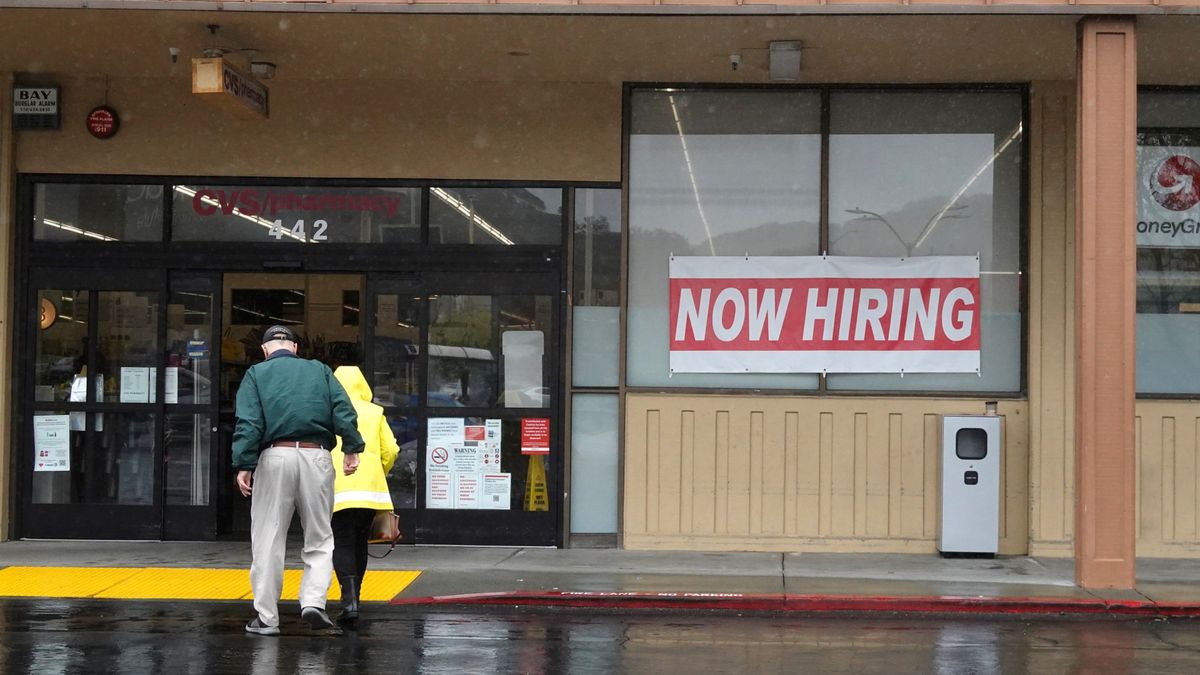
The labor market suffers greatly as unemployment increases and job growth declines.
The economy is beginning to feel the effects of the recent significant wall that the U.S. job market hit. A combination of a declining labor pool, rising tariffs, and the aftermath of mass retirements has caused a sharp halt in hiring, according to new official data.
In July, employers hardly added any new employment, and even more concerningly, the gains made in prior months were subtly erased. The job market has been more weaker than it seemed, as evidenced by the sharp decline in June employment figures.
Another indication that the economy is faltering is the slight increase in unemployment to 4.2%.
Some significant structural issues are the cause of the slowdown:
-Trump’s recent round of high tariffs on goods from dozens of nations is creating uncertainty and driving up company expenses.
The workforce is fast becoming thinner due to the retirement of millions of baby boomers. Tougher immigration laws have slowed the flow of new hires, making it more difficult for companies to fill unfilled positions.
Economists claim that the United States no longer requires 200,000+ jobs every month to stay up, as more people are leaving the workforce and fewer are looking for work. However, even the lower standards are no longer being fulfilled.
Jerome Powell, the chair of the Federal Reserve, is currently maintaining stable interest rates, but it is unclear what the central bank will do next. Tariffs are driving up inflation, and any discussion of rate decreases is complicated by the dismal job situation.
Markets responded quickly; bond yields fell, stocks fell, and discussions about a recession resumed.
The Fed, the White House, and Wall Street are all on notice because of this most recent report: the labor market may not be as solid as they once believed.