The South African government is launching assistance programs to help exporters who were impacted by tariffs put in place under President Trump.
President Donald Trump’s new 30 percent tax is projected to have a significant negative impact on South Africa’s automotive and agricultural industries. The country announced plans on Friday to implement support measures for local exporters affected by the tariff.
To assist impacted businesses and look into other foreign markets, the Department of Trade, Industry, and Competition established a “Export Support Desk.” Parks Tau, the minister of trade, called the development “a trying moment for South Africa.”
Following Trump’s executive order on Thursday that increased import taxes on dozens of nations, the announcement was made. In seven days, the order will go into force as part of the US president’s continued efforts to change international trade.
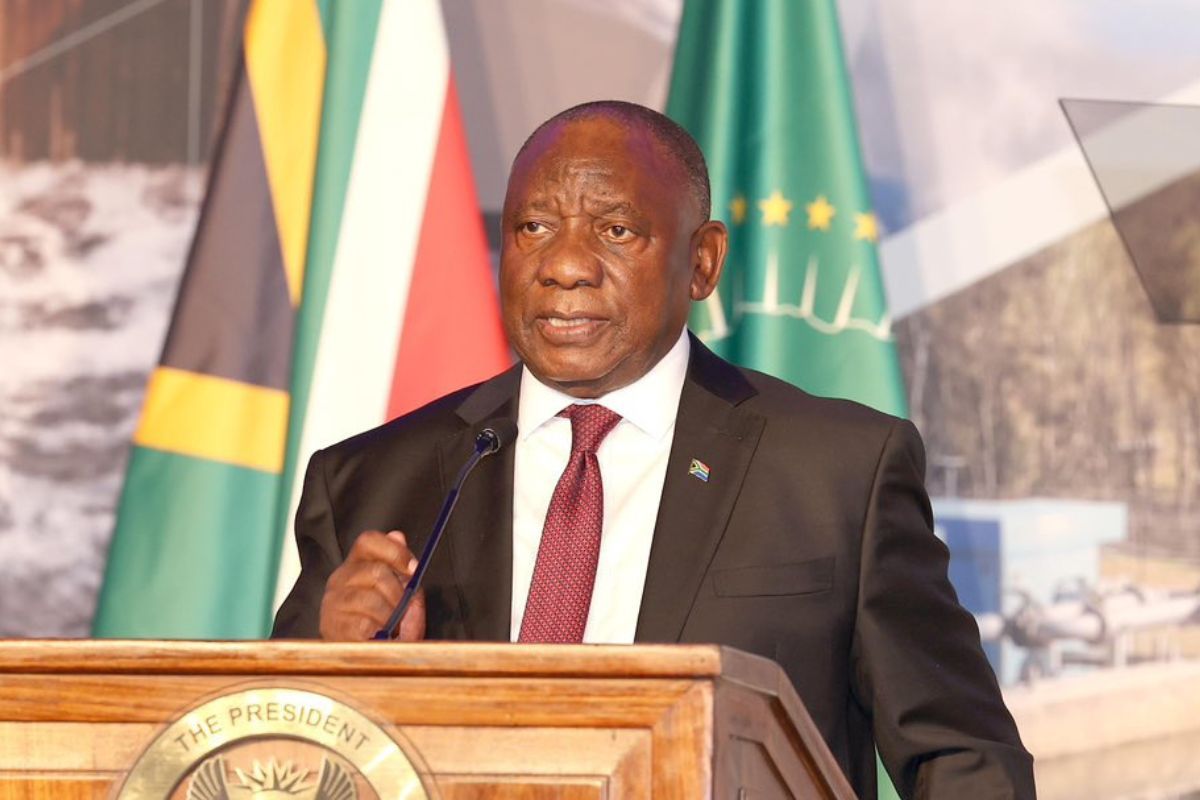
According to a statement released by President Cyril Ramaphosa, “all avenues of communication remain open to engage with the US, and our negotiators are ready pending invitation from the US.” More information will be released soon, he continued, adding that a support package for the most vulnerable exporters is currently being finalized.
Pretoria had been trying to negotiate with Washington for months, promising to buy US liquefied natural gas and invest in US businesses in return for tariff exemptions. However, in the midst of ongoing tensions between the two countries over South Africa’s domestic affirmative action laws and foreign policy, both of which Trump has criticized, the proposal received no response.
After China, the US is South Africa’s second-largest bilateral economic partner. The US imports a variety of items, such as cars, steel and iron products, wine, and citrus fruits. Mercedes-Benz South Africa is one of the leading exporters of automobiles to the United States.
But several politicians in South Africa have criticized the government’s approach. The Export Support Desk plan was deemed “laughable” by the official opposition, the Democratic Alliance, who demanded more forceful action to safeguard market access and jobs.