Senegal has introduced a new recovery plan that focuses on raising domestic capital to support the country’s economic expansion.
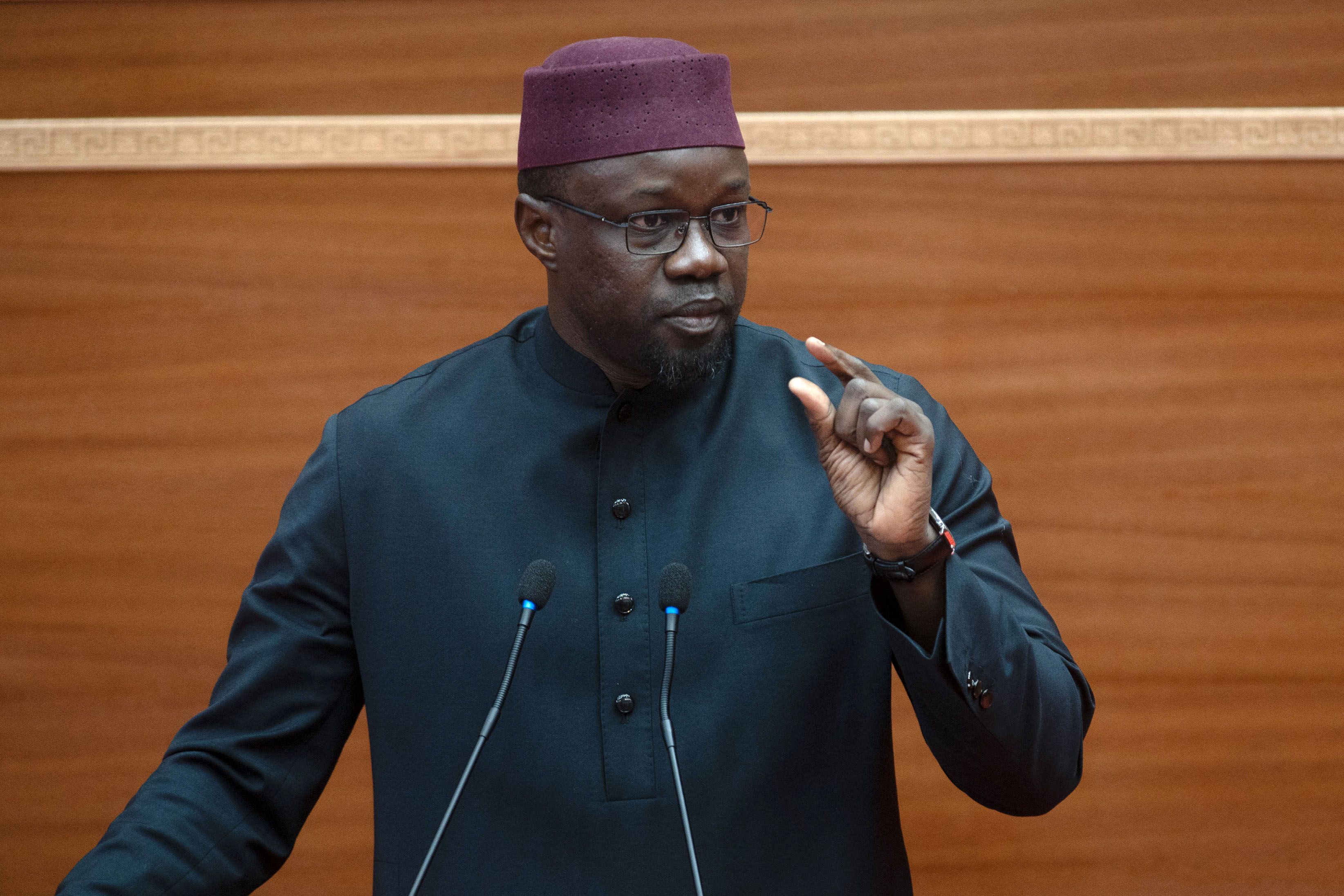
Senegal’s prime minister, Ousmane Sonko, announced an ambitious economic recovery plan on Friday, promising to avoid taking on more debt and finance 90% of the program with domestic resources.
As the nation looks to stabilize its finances after years of economic duress, secret debts, and the suspension of an International Monetary Fund (IMF) loan program, the idea comes at a crucial moment. Senegal is under increasing pressure to carefully handle its newfound wealth and debt legacy since it started producing oil and gas last year.
During a presentation in Dakar, Sonko stated, “We have identified more than 4.6 trillion CFA francs ($8.16 billion) in available resources between 2025 and 2028, without increasing the state’s debt.”
Measures to reduce public spending and increase revenue collection are part of the new approach. By 2027, the government wants the budget deficit to have decreased from 12 percent of GDP in 2024 to 3 percent. A portion of the endeavor entails eliminating tax exemptions in particular industries, particularly the largely untaxed digital economy, and combining and reducing governmental institutions, which is expected to save roughly 50 billion CFA francs. Sonko mentioned mobile money and online gaming as the main targets.
Furthermore, tobacco taxes will increase from 70% to 100%. Additionally, the government intends to charge for visas for visitors from non-African nations and African nations that need Senegalese nationals to have a visa. It is anticipated that these fees will bring in 60 billion CFA francs.
Additionally, Senegal intends to raise 200 billion CFA francs through the renewal of telecom licenses and 884 billion CFA francs from renegotiated contracts in the mining and oil industries.
In response to a long-standing request from the Senegalese diaspora, Sonko declared that the government will increase the age limit for imported cars and streamline access to land titles in order to draw in investment.
According to him, the government would continue to raise domestic capital in local currency and look for outside partners to recycle state assets, while foreign currency debt would be restricted to productive industries like mining, oil, gas, and hydrocarbons.
Sonko emphasized that the changes will enable the government to more effectively target social programs and subsidies to the actual needs of the populace.
Senegal has long been pushed by the IMF to stop providing ineffective energy subsidies. According to the Fund’s March forecast, these subsidies might account for up to 4% of GDP. The issue with these subsidies is that they don’t help the most needy households. “The wealthiest households receive the majority of these subsidies,” IMF mission leader Edward Gemayel told reporters earlier this year in Dakar.