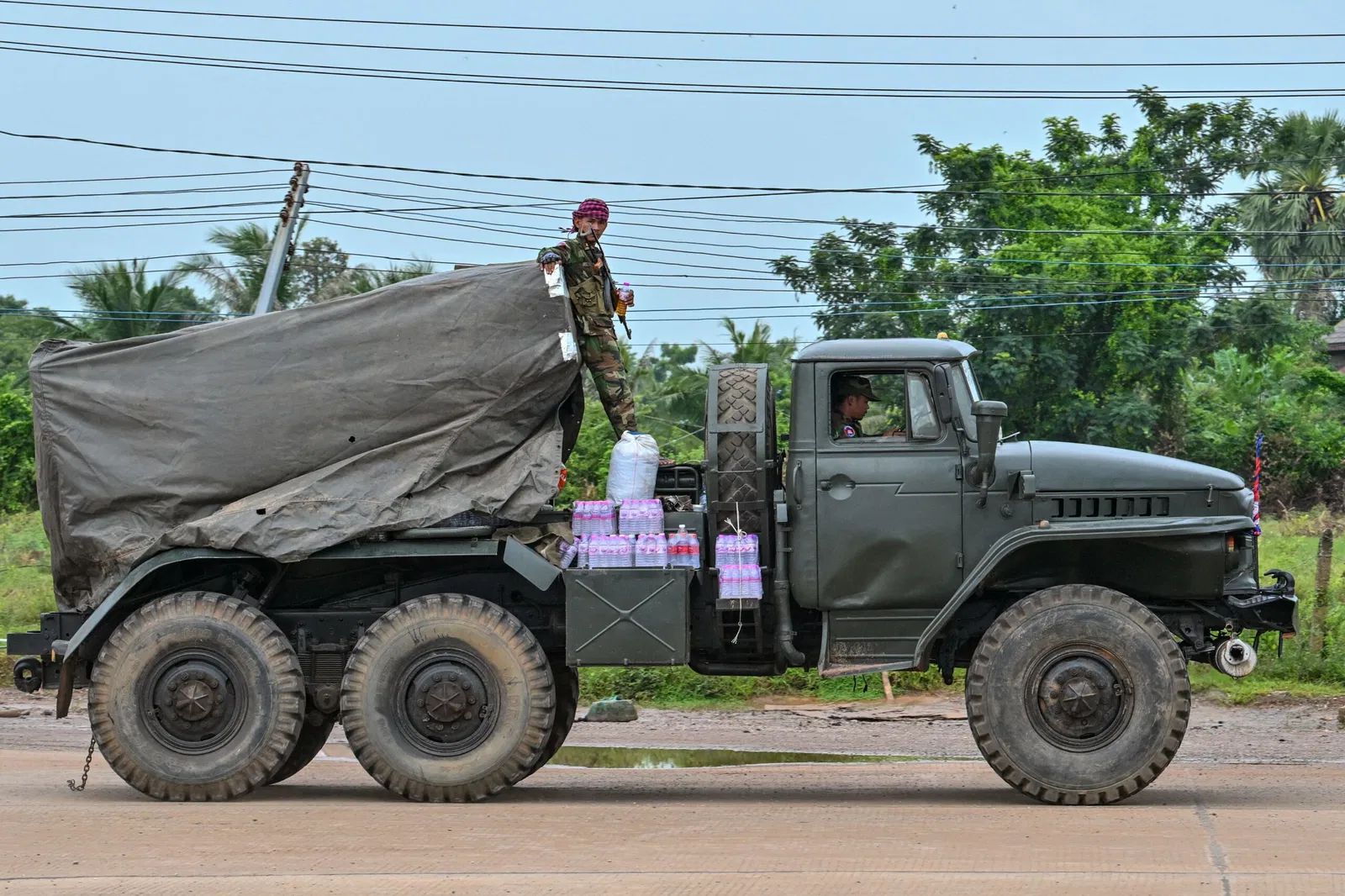
Thailand asserts Following horrific border battles that left 33 people dead and thousands displaced, Cambodia broke a tenuous ceasefire.
As Thailand accused its neighbor of “deliberately” breaking a ceasefire agreement agreed just hours earlier to stop a week-long battle that has already claimed at least 33 deaths and displaced tens of thousands, tensions on the Thailand-Cambodia border flared up once more on Tuesday.
After the truce went into effect at midnight, the Thai military claimed to have stopped all fire, but it also claimed that Cambodian soldiers were still firing “at multiple locations” into the morning. A Thai military spokeswoman informed reporters, “We continued to receive gunfire despite our full compliance.”
The assertion was refuted by Cambodia’s Ministry of Defense, which stated that there had been “no armed clashes” since the truce went into force.
The charge Tuesday morning represents a tentative beginning to a ceasefire mediated the previous day in Malaysia, where Thai Deputy Prime Minister Phumtham Wechayachai and Cambodian Prime Minister Hun Manet met under the patronage of Malaysian Prime Minister Anwar Ibrahim. Outgunned, Cambodia had been demanding a deal and called the negotiations a “very good meeting.”
As part of the ceasefire process, local commanders from both nations held meetings on Tuesday in spite of the claims. They decided to stop firing, stop moving troops, and let each side recover its dead.
After tensions escalated in May following the death of a Cambodian soldier in a battle, the situation erupted into full-scale hostilities last week. After a landmine explosion injured five Thai soldiers, Bangkok closed border crossings, expelled the Cambodian ambassador, and recalled its own envoy from Phnom Penh, escalating the bloodshed.
Following a gunfight, Cambodia launched a flurry of missile assaults into Thai territory on Thursday, killing multiple civilians. Over the weekend, the combat intensified, with both sides launching artillery fire and Thailand launching airstrikes until Monday’s midnight ceasefire deadline.
Prime Minister Hun Manet had said earlier Tuesday that “frontlines have eased” since the truce started, prior to Thailand’s accusations.
Although no information has surfaced regarding the identity of the observers, both nations are anticipated to withdraw their troops and permit impartial monitors to oversee the accord under the terms of the ceasefire.
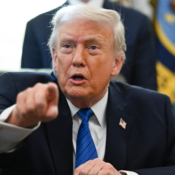
Pressure from around the world helped to bring both sides to the negotiating table. After US President Donald Trump threatened to halt trade discussions over tariffs if the hostilities persisted, Thailand, which had previously opposed the talks, finally agreed.
For more than a century, Thailand and Cambodia have been embroiled in border conflicts, especially over a disputed territory that is home to the Preah Vihear temple, which dates back to the 11th century. After Cambodia applied for UNESCO status for the monument in 2008, tensions erupted, leading to periodic violent skirmishes over the years and nationalist demonstrations in Thailand.
The two countries’ economic ties have also gotten worse during the last two months. Fruits, vegetables, and basic utilities like internet and power were all prohibited in Cambodia. In response, Thailand strengthened troop deployments around the border and imposed its own restrictions.
Both sides are under pressure to uphold the truce and prevent a resumption to open warfare, therefore the situation is still unstable.