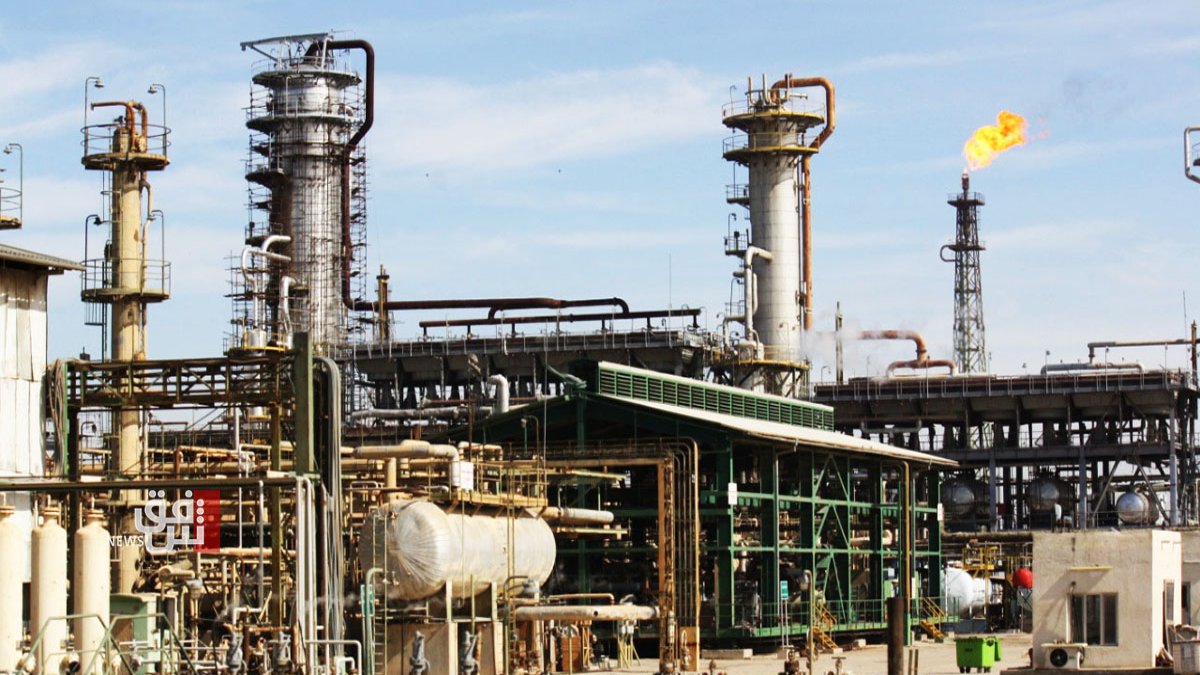
Oil prices went down a little on Tuesday because of worries that higher U.S. taxes will slow down the economy and the fact that OPEC+ is expected to increase production in August.
By 0000 GMT, September Brent oil futures prices had dropped 16 cents, or 0.24%, to $66.58 a barrel. The U.S.
It went down 20 cents, or 0.31%, to $64.91 a barrel for West Texas Intermediate oil.
In a note, ANZ senior commodity strategist Daniel Hynes said, “The market is now worried that the OPEC+ alliance will keep up its fast rate of output increases.”
Last week, four OPEC+ sources told Reuters that the group plans to increase production by 411,000 barrels per day in August. This comes after increases in May, June, and July.
If this is accepted, it would mean that OPEC+ has added 1.78 million bpd of oil to the market this year, which is more than 1.5% of the world’s oil demand. OPEC, along with its partners like Russia, will meet on July 6 to talk about their plans.
Uncertainty about U.S. taxes and how they would affect growth around the world also kept oil prices low.
U.S. Treasury Secretary Scott Bessent warned that countries could be told of much higher tariffs. This opens a new chapter despite good-faith negotiations as the deadline of July 9 draws near, when tariff rates are set to go back from a temporary 10% level to President Trump’s announced rates of 11% to 50%, which were put on hold in April.
Morgan Stanley thinks that Brent futures will go back down to around $60 by the beginning of next year. This is because the market is well supplied and there is less global risk now that tensions between Israel and Iran have been eased. It thinks there will be 1.3 million bpd more than needed in 2026.
Brent prices went up because of the 12-day war that began on June 13 when Israel attacked Iran’s nuclear sites. They rose above $80 a barrel after the U.S. bombed Iran’s nuclear sites, but then fell to $67 after Trump called for an end to the fighting between Iran and Israel.