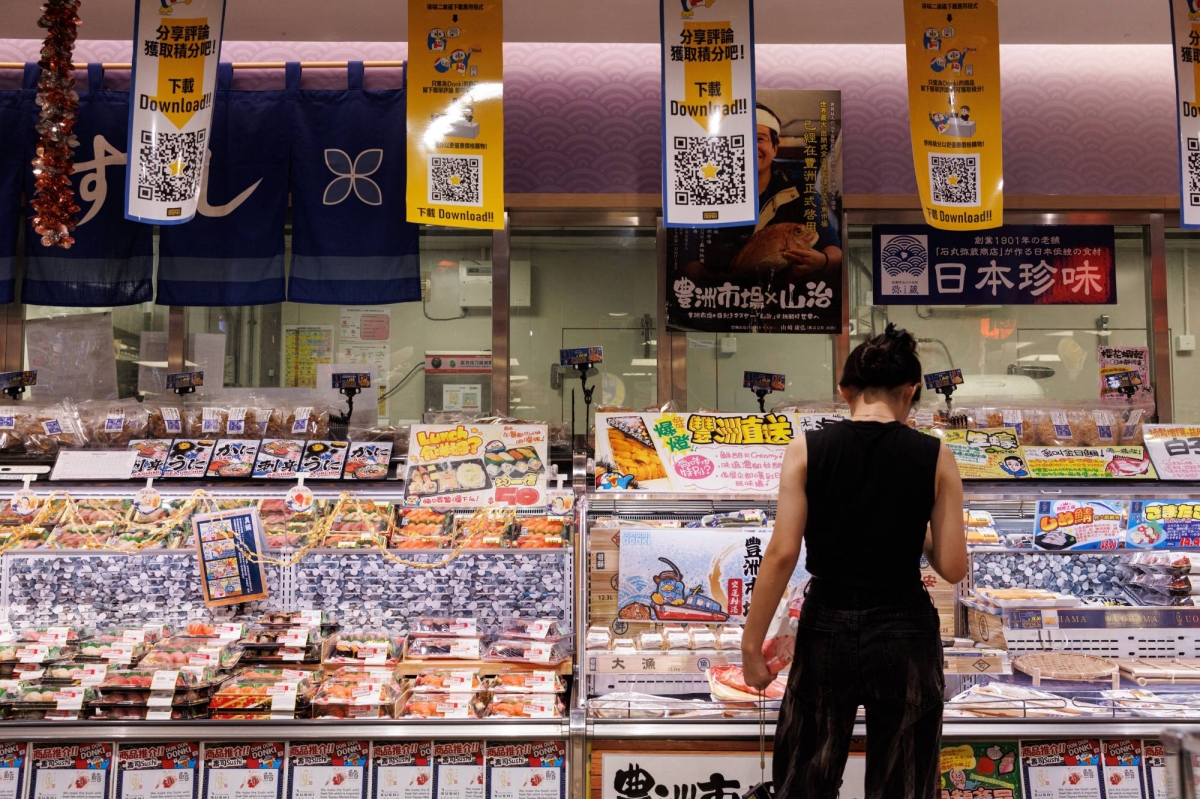
China relaxes its two-year ban on the import of seafood from most of Japan, although restrictions still apply to ten prefectures.
Due to environmental worries over the release of treated radioactive water from the Fukushima nuclear plant, China partially removed its prohibition on importing seafood from Japan in 2023.
Imports from 37 of Japan’s 47 prefectures can again resume, according to a ruling made by China’s General Administration of Customs on June 29. However, seafood from 10 areas, including Tokyo and Fukushima, is still prohibited.
Long-term monitoring data indicated “no abnormalities” in radioactive levels from water released at the Fukushima site, according to China.
A tsunami in 2011 seriously damaged the facility, resulting in the greatest nuclear accident since Chernobyl. At the plant, more than a million tonnes of processed wastewater had accumulated before Japan started discharging it into the Pacific Ocean last year. The International Atomic Energy Agency sponsored this procedure, which is anticipated to last for decades.
China was one of several nations that promptly prohibited the importation of fish from Japan, alleging environmental and safety issues, even though the majority of international experts believe the discharge to be safe. Prior to the prohibition, China accounted for around 25% of Japan’s exports, making it the country’s biggest seafood market.
China has been urged to remove restrictions on the remaining prefectures by Japan, which has welcomed the partial reversal as a “positive” gesture.
In order to export seafood to China, companies that were previously prohibited must now reapply for registration and will be subject to more scrutiny, according to Chinese officials.
Because of long-standing grievances and territorial concerns, China and Japan maintain a strained relationship despite being close commercial partners.