A poll released on Monday found that British employers’ confidence hit a new nine-year high this month as companies became more positive about the economy’s future.
This is the highest reading of the Lloyds Bank Business Barometer since November 2015. It went up by one point to 51%, following a drop of 11 points in April when U.S. President Donald Trump revealed a big increase in import tariffs, many of which have since been suspended.
A measure of economic optimism in the study hit its highest level in 10 months, going up by one point after going up by sixteen points in May.
According to Hann-Ju Ho, a senior economist at Lloyds Bank Commercial Banking, more companies are planning to hire people. In fact, 60% of companies expect to hire more people in the next year. This means that companies are starting to get ready for future growth.
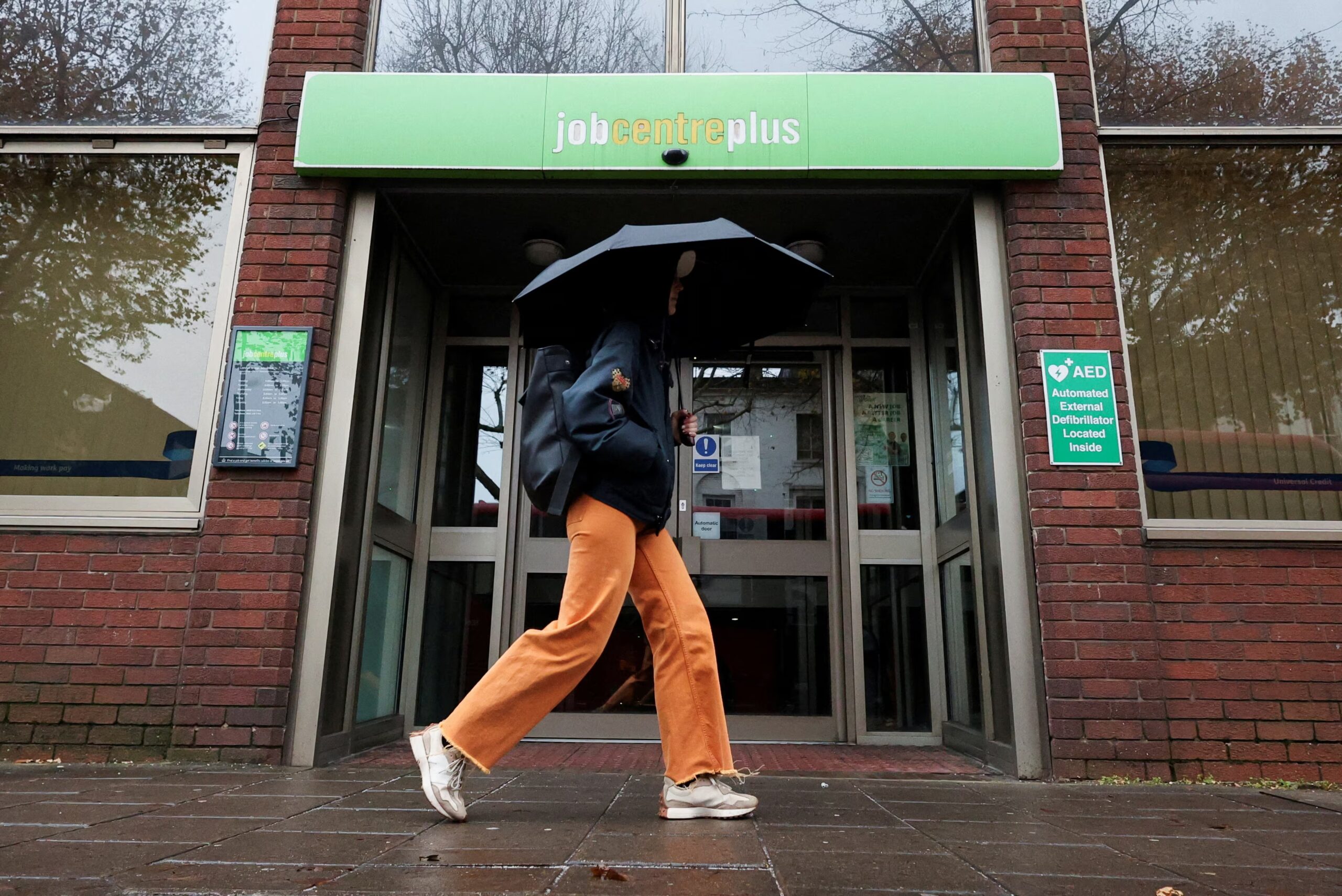
As it tries to figure out how much inflation is still in the economy, the Bank of England is keeping a close eye on Britain’s job market. Last week, Governor Andrew Bailey said that he saw signs of a slowdown in the job market. One reason for this could be the government’s new tax on businesses, which went into effect in April.
However, the Lloyds study showed that people’s hopes for wage growth went up for the second month in a row. 36% of those who answered expected average pay increases of 3% or more.
In May, the number of job openings in the UK slightly decreased from April to May, but it increased by 0.5% compared to May of last year. This is the third rise in a row after more than a year of falls.
Adzuna co-founder Andrew Hunter said, “May strengthened the sense that the job market in the UK is slowly getting back on its feet.”
The Confederation of British Industry (CBI) said that companies’ views on the economy over the next three months were less pessimistic than in May, but still not very positive after the tax hike on employers and the turmoil in the world’s politics.
Alpesh Paleja, the CBI’s deputy chief economist, said, “Companies are still dealing with higher employment costs, households that are being cautious about spending, and rising global uncertainty.”