Iranian military leaders and scientists slain in its war with Israel were given a formal funeral.
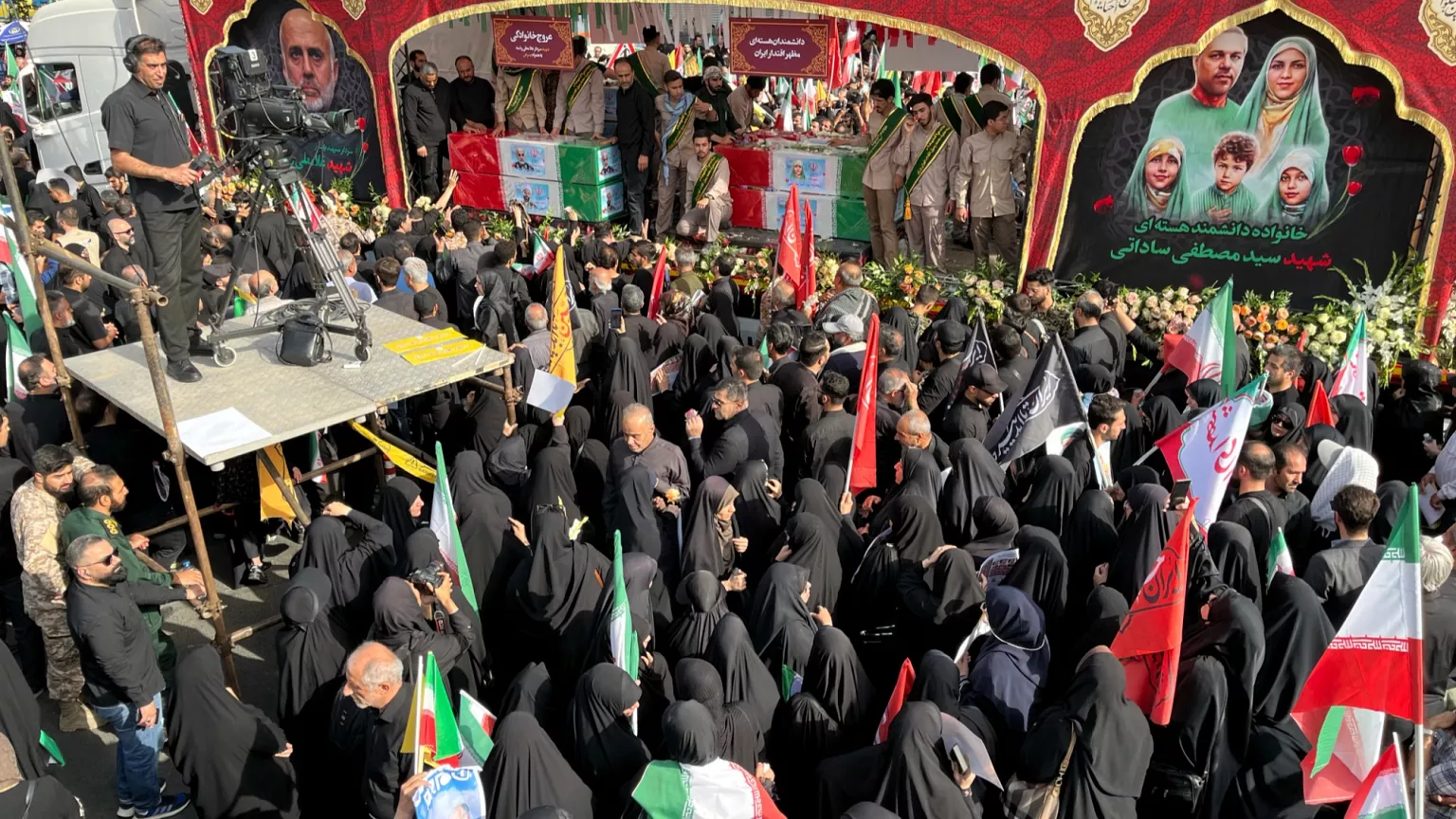
About 60 people, including senior military leaders and well-known nuclear experts, were buried in Iran on Saturday at a state funeral for those lost in the country’s most recent 12-day war with Israel.
The funeral, which was attended by large throngs of mourners wearing black and waving Iranian flags, was held in central Tehran close to Enghelab Square and was characterized by solemn scenes and nationalist fervor.
Many present chanted slogans in remembrance of the deceased as coffins covered in the national flag and carrying their photos were arranged in rows. Iran’s top military leader and chief of staff, Major General Mohammad Bagheri, was one of the most well-known individuals being buried.
Hossein Salami, the leader of the Islamic Revolutionary Guard Corps (IRGC), and a number of important nuclear scientists, including Mohammad Mehdi Tehranchi, the dean of Tehran’s Azad University, were also invited to participate in the burial ceremonies.
Days after a ceasefire was mediated, which put a stop to over two weeks of growing hostility between Iran and Israel, the event took place. The United States’ direct involvement in the conflict, which included bombings against Iranian nuclear facilities, caused the conflict to escalate significantly.
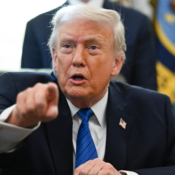
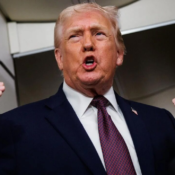
US President Donald Trump, whose administration had already abandoned the nuclear agreement with Iran, fueled the already tense situation with a series of divisive statements. Trump stated during a White House press briefing that if intelligence indicated Iran was enriching uranium to dangerous levels, he would “absolutely” consider destroying the country once more, according to BBC correspondent Nomia Iqbal.
Trump also ridiculed Ayatollah Ali Khamenei, the supreme leader of Iran, on his Truth Social platform for asserting that Iran had won the war. Trump called the statement “a lie” and asserted that he had saved Khamenei from being killed.
“I spared him from an extremely unattractive and shameful demise, and he doesn’t need to express gratitude to me, President Trump!” Trump shared a post.
Iranian Foreign Minister Abbas Araghchi scolded Trump harshly for the remarks, imploring him to “set aside the disrespectful and unacceptable tone” if he was serious about future diplomatic relations.
“The Great and Powerful Iranian People do not take kindly to threats and insults. They demonstrated to the world that the Israeli regime had no choice but to flee to ‘Daddy’ in order to avoid being flattened by our missiles.” On what was once Twitter, Araghchi posted on X.
Iran’s government insists that the strikes accomplished “nothing significant,” but Araghchi acknowledged that Iran’s nuclear infrastructure had suffered “excessive and serious” damage.
The official burial reinforces Tehran’s narrative of resistance against outside aggression while simultaneously acting as a time of national mourning and a bold display of the city’s tenacity.