A U.S.-brokered peace deal between the longtime enemies will be inked on Friday after Congolese negotiators withdrew a demand that Rwandan forces immediately withdraw from the eastern Democratic Republic of the Congo, four sources told Reuters.
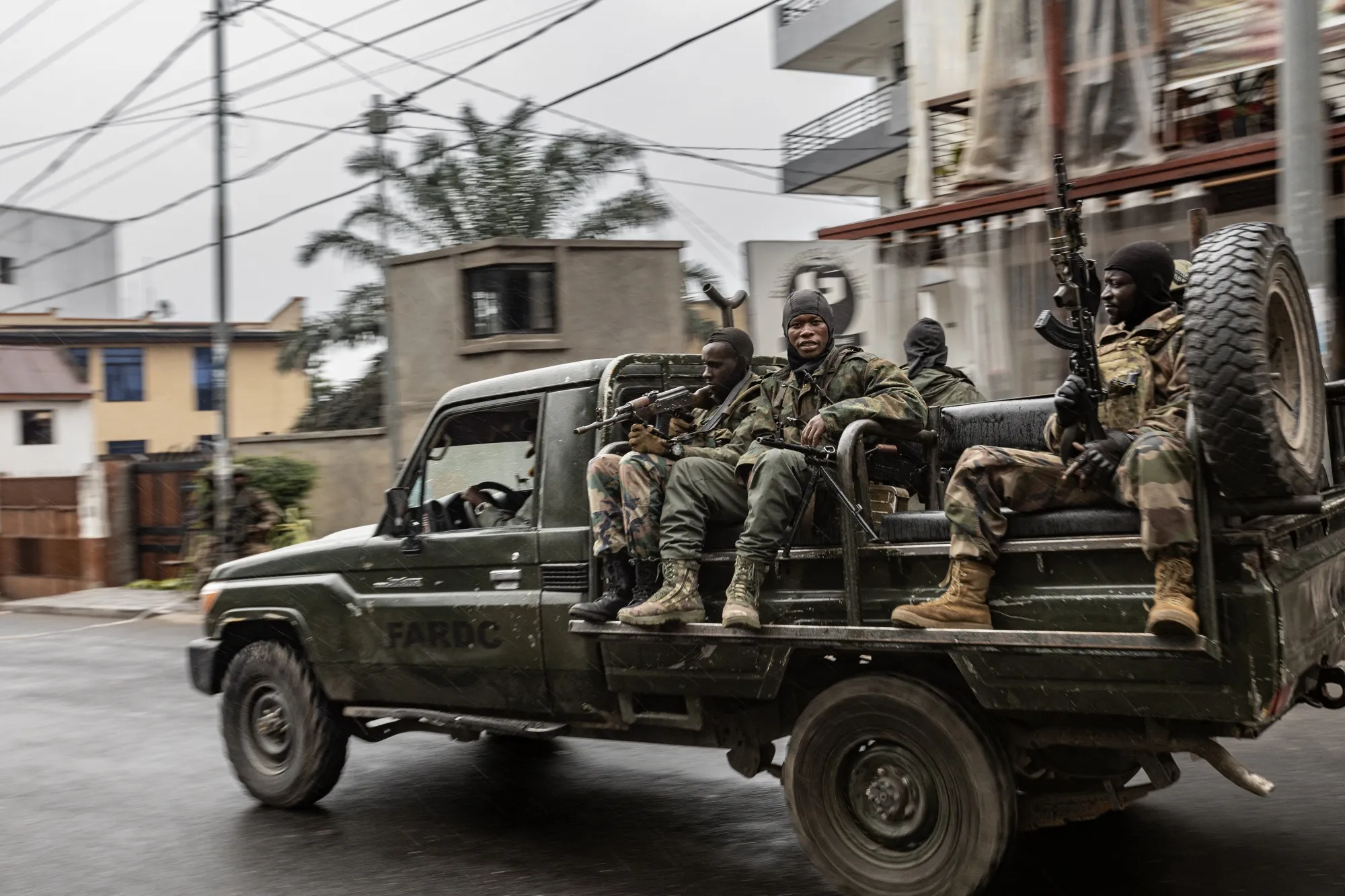
In support of the M23 rebels, who earlier this year made a fast assault to grab the two biggest cities in eastern Congo and valuable mining areas, Rwanda has pushed at least 7,000 troops across the border, according to analysts and diplomats.
Rwanda has always maintained that it is fighting in self-defense and has denied giving M23 troops and weapons.
U.S. President Donald Trump’s administration has pushed diplomatically to put an end to years of strife stemming from Rwanda’s 1994 genocide, and Congolese and Rwandan officials are scheduled to sign a peace agreement in Washington on Friday.
Additionally, the pact seeks to provide the U.S. with access to vital minerals while luring Western investment to the mining industries of the two nations, which have tantalum, gold, cobalt, copper, and lithium deposits.
Earlier this month, sources told Reuters that Washington was pressing Rwanda to remove its troops prior to the signing of the agreement, a requirement that was also there in a draft of the agreement that the United States had drafted and that diplomats had verified.
Rwanda, however, was bound to oppose that schedule. Kigali views armed groups stationed in the Congo as an existential threat, especially the Democratic Forces for the Liberation of Rwanda (FDLR), which is made up of militias and the remains of Rwanda’s previous army that committed the genocide.
The new deal, according to three sources who spoke to Reuters, seeks to secure Rwandan forces’ withdrawal from eastern Congo over a number of months; however, two of them stated that the removal would be contingent on actions against the FDLR.
The sources, who included a Congolese official and three diplomats, requested anonymity because of the delicate nature of the discussions.
The “lifting of defensive measures in our border area” would be subject to the FDLR’s “neutralization” as part of the accord, Rwandan government spokesperson Yolande Makolo told Reuters on Thursday.
Congolese President Felix Tshisekedi’s spokesperson, Tina Salama, told Reuters that Kinshasa was determined to ensure Rwandan forces’ “disengagement or total withdrawal” from Congolese territory.
Regarding current diplomatic conversations, a State Department official stated that the department did not comment.
Beyond a declaration of principles reached in April, it is unknown how far the agreement to be signed on Friday will go.
Last Monday, technical experts from both nations signed a draft peace deal, stating that it covered topics including territorial integrity, “a prohibition of hostilities,” and the disengagement, disarmament, and conditional inclusion of armed non-state actors.
It also referred to a system that was agreed upon as part of a previous peace initiative supported by Angola to track and confirm the departure of Congolese military operations against the FDLR and Rwandan troops.