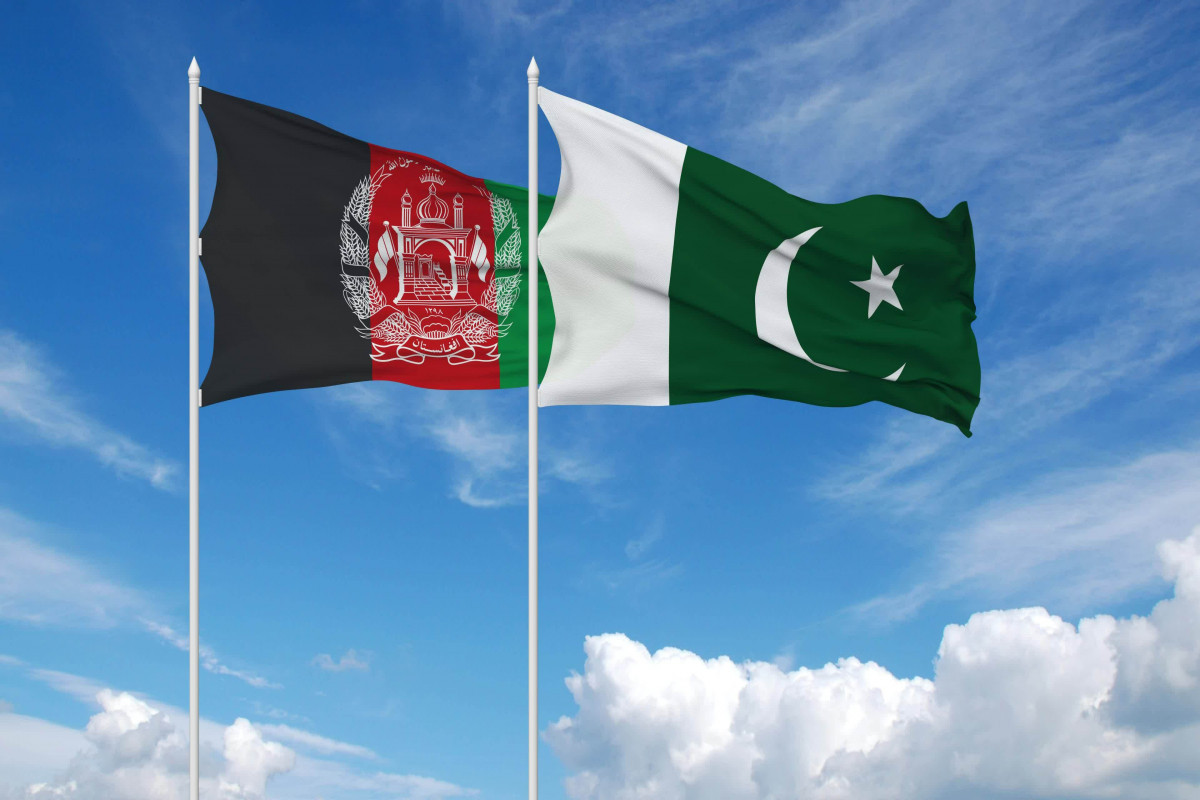
Pakistan’s foreign minister announced Friday that the country will appoint its first ambassador to Afghanistan since the Taliban took over Kabul in 2021. The move is part of an improvement in diplomatic relations between the two neighbors that indicates some softening of tensions.
At the moment, the highest diplomat for Pakistan and Afghanistan in each other’s nations is a charge d’affaires, a position beneath ambassador. Pakistan is yet to announce the nominee for the promoted position.
Since he traveled to Kabul with a Pakistani delegation last month, bilateral relations have been improving, according to Pakistan’s foreign minister Ishaq Dar, who announced the plan to increase diplomatic representation.
“I am confident this step would further contribute towards enhanced engagement,” remarked the president on X.
A request for response from the Taliban’s charge d’affaires in Islamabad and Afghanistan’s foreign ministry was not immediately answered.
China, which hosted a non-formal meeting between the Afghan Taliban government and the Pakistani government last week, said afterwards that the two nations would be strengthening their diplomatic relations.
The relationship between Pakistan and Afghanistan has been tense ever since the Taliban government came to power following the withdrawal of NATO soldiers led by the United States.
According to Islamabad, Afghan territory is used by Islamist militants to carry out assaults inside Pakistan. Kabul disputes this, claiming that Pakistan should deal with such militancy on its own soil.
Since the Taliban government came to power, no nation has legally recognized it, and international powers have called on it to reverse its policies regarding women’s rights.
After Uzbekistan, China, and the United Arab Emirates, Pakistan is now the fourth nation to appoint an ambassador to Kabul.
Having an ambassador publicly deliver their credentials is a step towards recognition, according to diplomats and academics, even though those states claim they have not legally recognized the Taliban’s administration.